

JimmyWeber.com
A Fully Custom Creative Universe
Case Study
JimmyWeber.com (5.0) is a custom-built portfolio site — designed, written, and coded from scratch. It’s more than just a showcase of work; it’s a fully functional entertainment universe that bridges film, music, games, AI projects, comics, books, blogs and side experiments. Built without templates or CMS platforms, it reflects my abilities across UX design, front-end development, back-end modularity, and creative vision.
Timeline and Development Process
Initial Planning
October, 2024
Site Development
November & December 2024
First Launch
January 2025
Continuous Expansion
Present Day
Goals
- Build a fully custom, scalable, and modular portfolio site — no templates, no CMS.
- Showcase a wide range of creative work across multiple mediums under one cohesive brand.
- Integrate interactive custom-built tools like a radio player, dynamic case studies, and an online store.
- Create a portfolio that also serves as an ongoing creative and technical sandbox.
- Balance professional polish with the personality and unpredictability of an artist's playground.
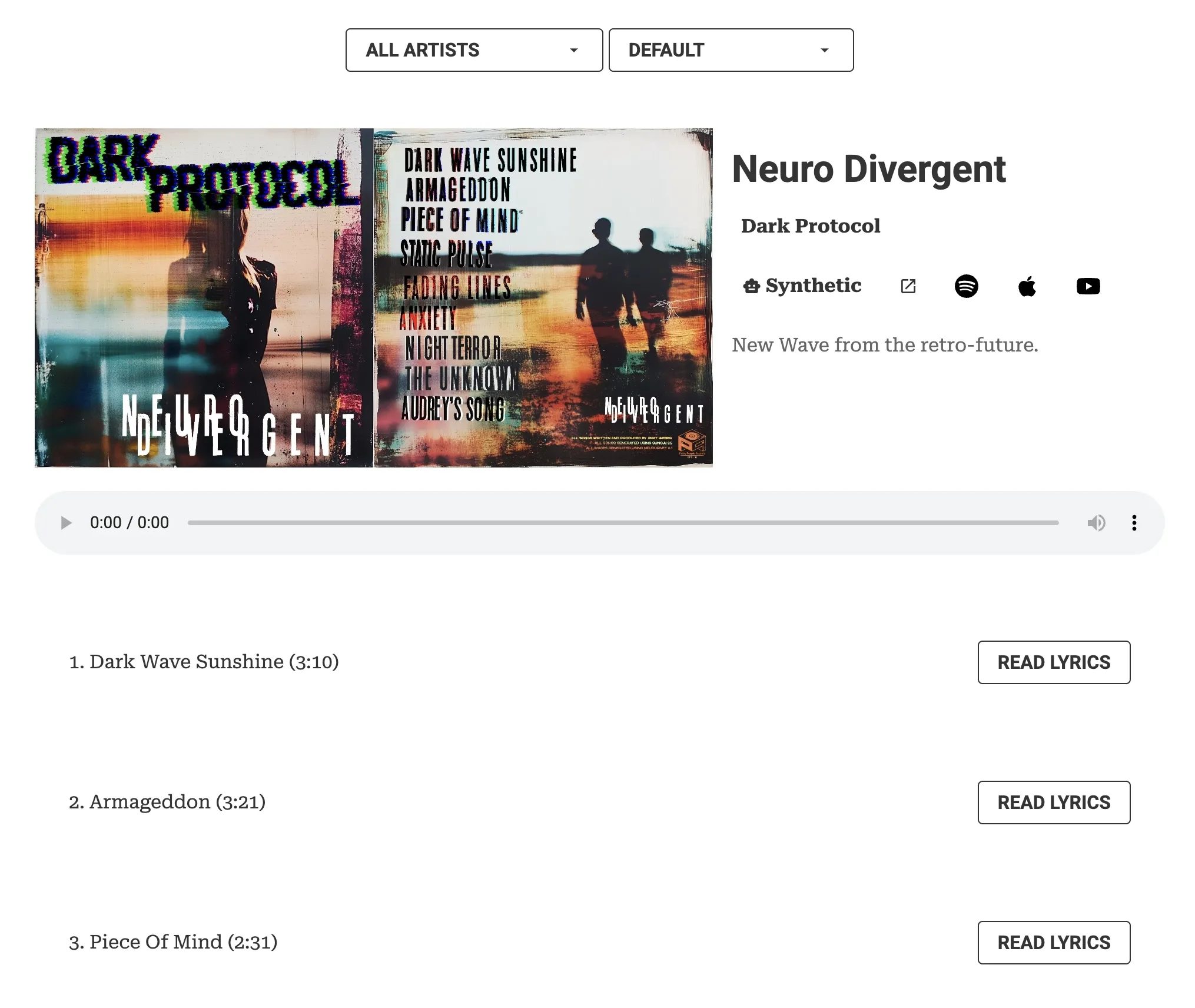
Music Player Custom built with modal cover art and dynamic platform links, tracklist, and collapsible lyrics.
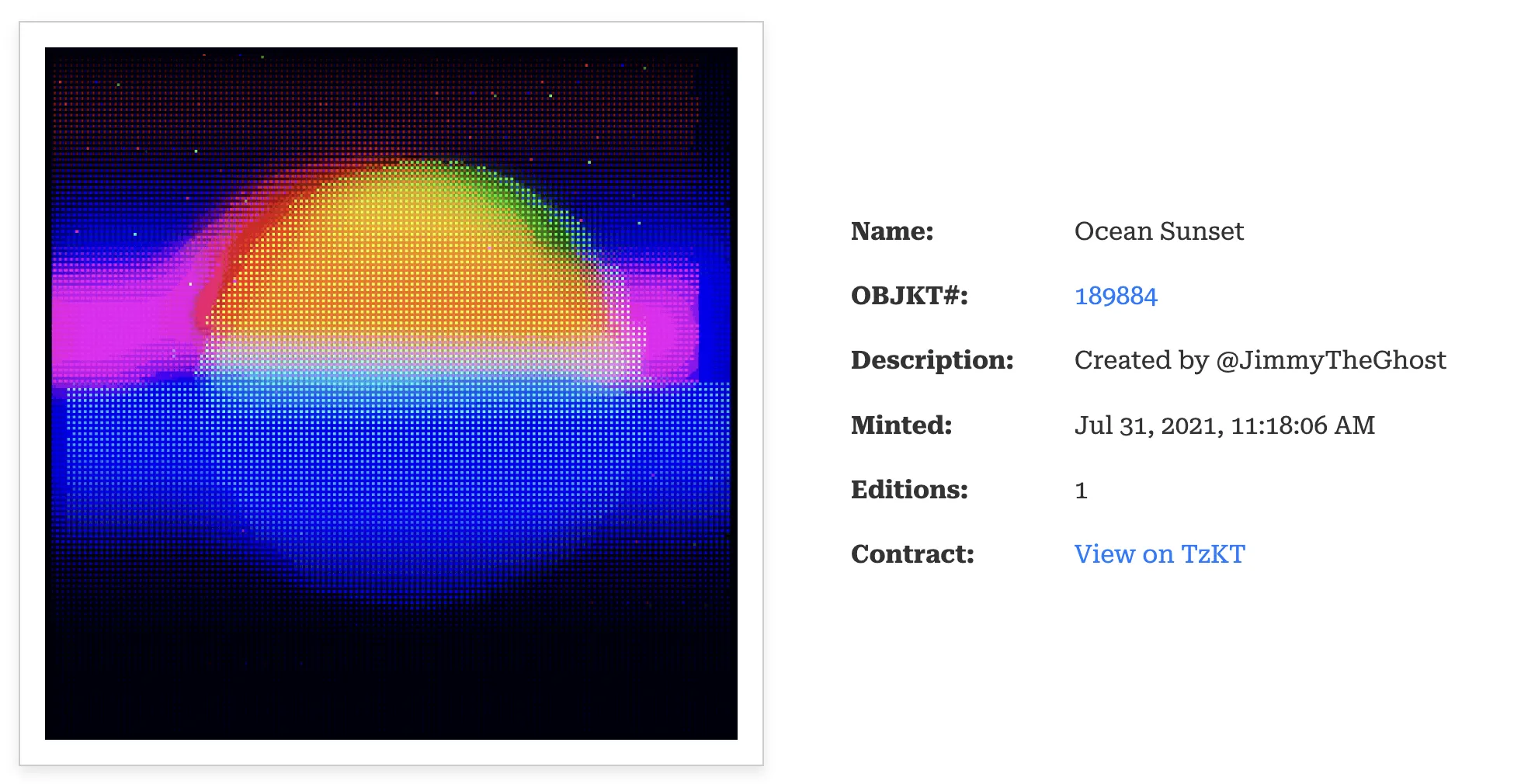
Custom Styles for Each Medium Instead of a single portfolio page style, each project is custom designed and built but within a universal design system.

Information Tiles Dynamic tiles throughout the portfolio that include numerous links and information.
My Role
Responsibilities
- Full-stack Designer / Developer / Owner of JimmyWeber.com.
- Designed all UX/UI layouts in Figma, emphasizing modularity and scalability.
- Developed front-end using semantic HTML, CSS custom properties, and modular JavaScript.
- Structured site architecture with PHP includes for maintainability and global updates.
- Built dynamic functionality including custom radio players, music grids, shopping experiences, and case study loaders.
- Continuously use the site as a testing ground for new techniques, both design and technical.
Custom Features and Innovations
PHP Modular Architecture
Global elements like the header, footer, and navigation are built with PHP includes, allowing easy site-wide updates without touching every page manually — critical for scalability and maintenance as the site grows.
Custom Pop-Out Hamburger Menu
A JavaScript-powered hamburger menu smoothly expands into a full navigation overlay, optimized for both mobile and desktop experiences.
Scrolling Tile Portfolio Grids
The site features dynamic, scrollable tile interfaces that adjust to different categories: Films, Music, VFX, Art, Editing, and more. Each tile is hand-coded for flexibility and fast load times.

Pretty People Radio
I built a full radio station experience directly into the site. The fully custom player randomly streams tracks from my AI-generated albums, featuring playback controls, metadata, and platform links. All dynamically generated with JavaScript and styled for both dark and light modes.
Dynamic Music and Album Grid
Music albums are loaded via structured JavaScript objects, automatically generating album details, links, and tracklists without repetitive HTML edits — a custom CMS built specifically for my music catalog.
Customized Résumé and Exhaustive Work History
Instead of uploading a static PDF résumé, I created a responsive résumé page and a full Work History archive with detailed project breakdowns. Each entry links to deeper sections, creating an extensive, navigable career timeline.
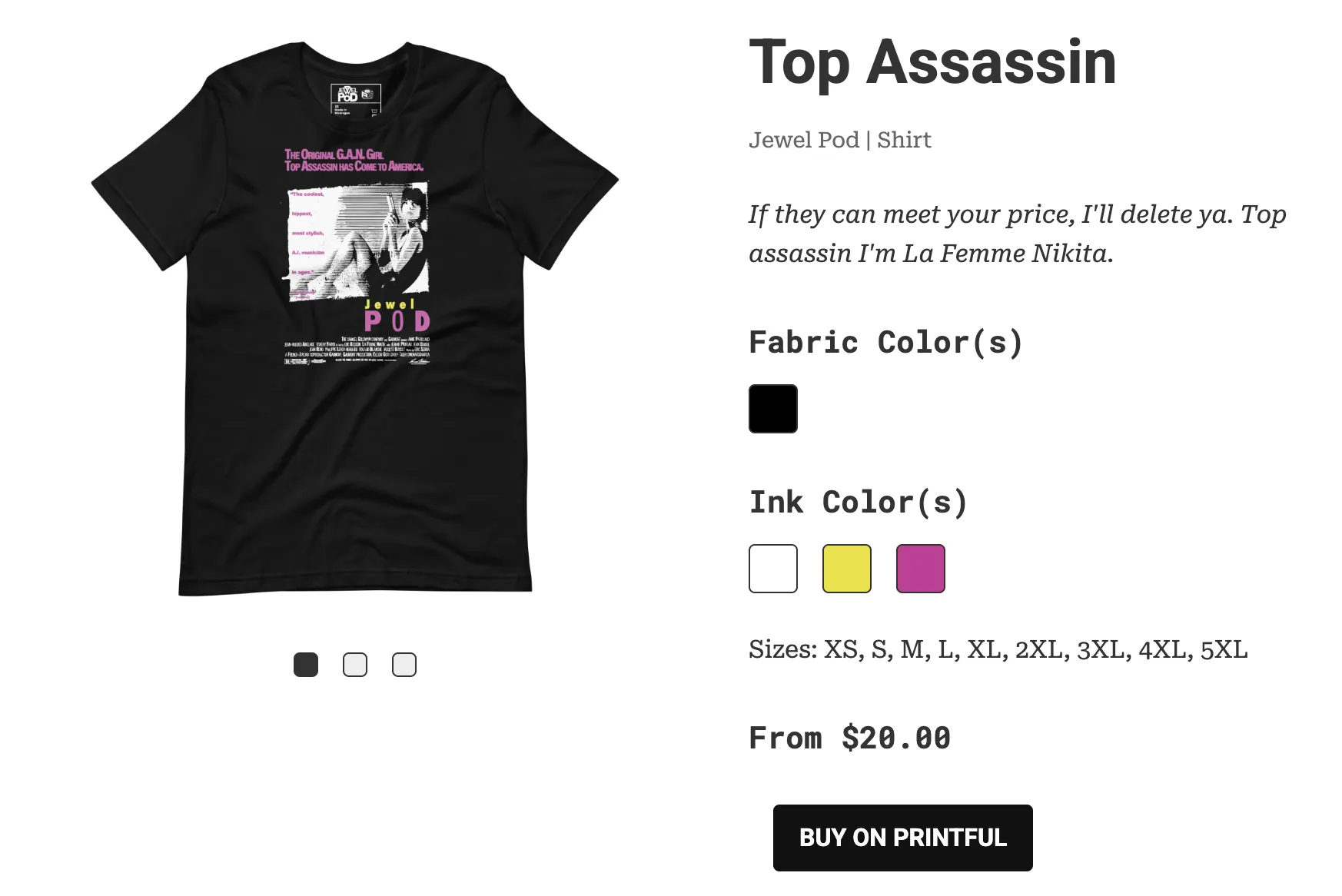
Custom Storefront Linked to Printful
The Pretty People Records Store presents products by artist and category in a custom-built browsing experience. Purchasing is seamlessly handed off to Printful, maintaining brand control while outsourcing fulfillment.
Competitive Audit
I researched hundreds of portfolio sites and found that most emphasized minimalism — focusing on just 2–5 projects. I intentionally chose to go in the opposite direction. Inspired by entertainment sites like TheRinger.com, I designed a complex creative universe that demonstrates not only my creative skills but my ability to design, code, manage, and expand large-scale online ecosystems. It’s riskier, but it sets me apart in a way a simple one-page portfolio cannot.
Design and Build
Planning and UX
Designed all layouts and user flows in Figma, prioritizing modularity, flexibility, and maintaining consistent branding across diverse types of content (film, games, comics, etc.).
Front-End Development
Built with semantic HTML for accessibility and SEO, modular SCSS/CSS using variables for theme consistency, and dynamic JavaScript functions to drive interactive components.
Back-End and Architecture
Implemented PHP includes and server-side file management to create a maintainable, scalable structure for future updates and content additions.

Building modular album and media layouts using custom PHP and JSON-driven architecture.
Accessibility Features
Contrast and Typography
The design uses stark black/white themes for high contrast, paired with the highly readable Roboto font family. Dark mode versions of all major logos (SVG) ensure clarity across viewing modes.
Accessibility Roadmap
Base accessibility practices (semantic HTML, alt tags, contrast ratios) are in place. Future plans include deeper AT integration with ARIA labels, improved keyboard navigation, and assistive tech testing.
Challenges
Building a cohesive system that could house such diverse content types required designing an extensible design system and thinking several steps ahead in terms of scalability. Solving layout shifts when optional dynamic content (like platform links or optional album features) was missing was a recurring technical challenge I solved with smart JavaScript and CSS flexibility.
Lessons Learned
- How to architect a modular, future-proof website system with PHP and front-end technologies.
- Advanced techniques for building scalable, dynamic JavaScript experiences for media and content grids.
- The importance of balancing creative personality with UX clarity and technical maintainability.
- The massive advantages of designing for change and future growth from day one.
- How to build a living website that is itself both a portfolio and a creative project.
Next Steps
- Expand case studies dynamically using JavaScript-generated layouts and filtering.
- Enhance full AT (assistive technology) compatibility and deepen accessibility support.
- Continue expanding the entertainment universe with new creative projects, music, comics, and games.
- Develop backend tools for easier content management while preserving hand-crafted control.
- Use JimmyWeber.com as the home for launching future ventures, experiments, and innovations.